

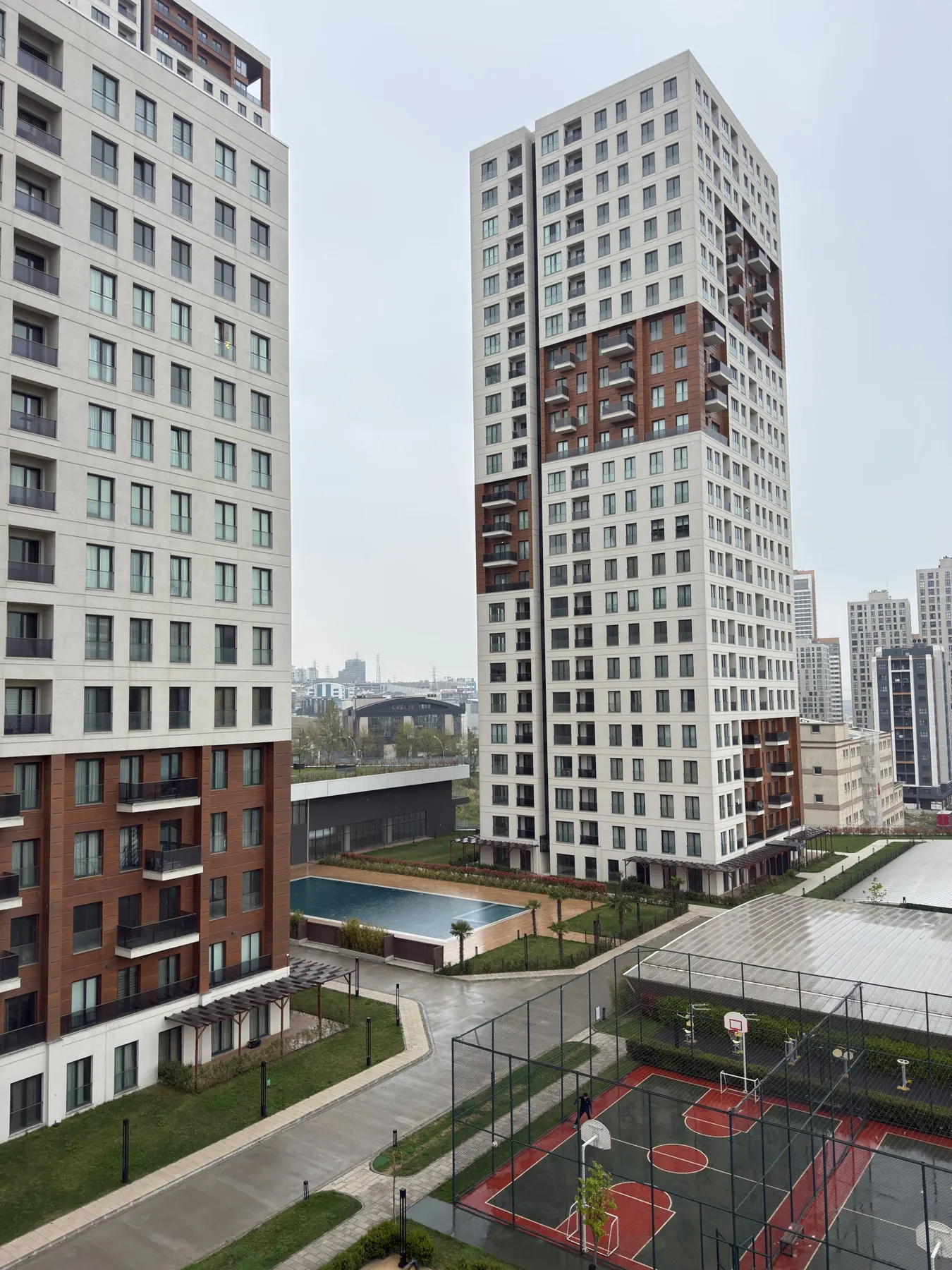
AI receptionist for property management
A leak at 11 PM becomes a ticket, not a voicemail.
Residents call one number. An AI phone agent takes the unit and the issue, asks the one question that decides whether it is an emergency, opens the ticket in the system your team already works in, and pages the on-call tech on the same call when it should. Every call logged.

02 After hours
After hours, every call is either nothing or an emergency. Somebody has to tell which.
The office closes at six. The phone does not. A dripping tap and a burst pipe sound the same in a voicemail left at midnight, and the tech who gets woken for the tap is the one who is late to the pipe. In the daytime the same phone is the leasing line, the maintenance line and the complaints line, all ringing while somebody is showing a unit.
- After six: the voicemail nobody hears until morning
- Triage: the drip that pages a tech, the flood that waits
- Daytime: leasing, maintenance and complaints on one ringing line
What it is
- Answers on the first ring
- Takes the unit and the issue
- Asks the emergency question
- Opens the ticket in your system
- Pages the on-call tech when it should
- Speaks the resident's language
- Every call logged
A resident line that answers in your property's name at 11 PM the same way as at 11 AM. It takes the unit and the issue, asks the one question that separates a drip from a flood, and writes the ticket where your team already works. Emergencies are paged on the call. Everything else waits for morning, in writing.
03 How one call goes
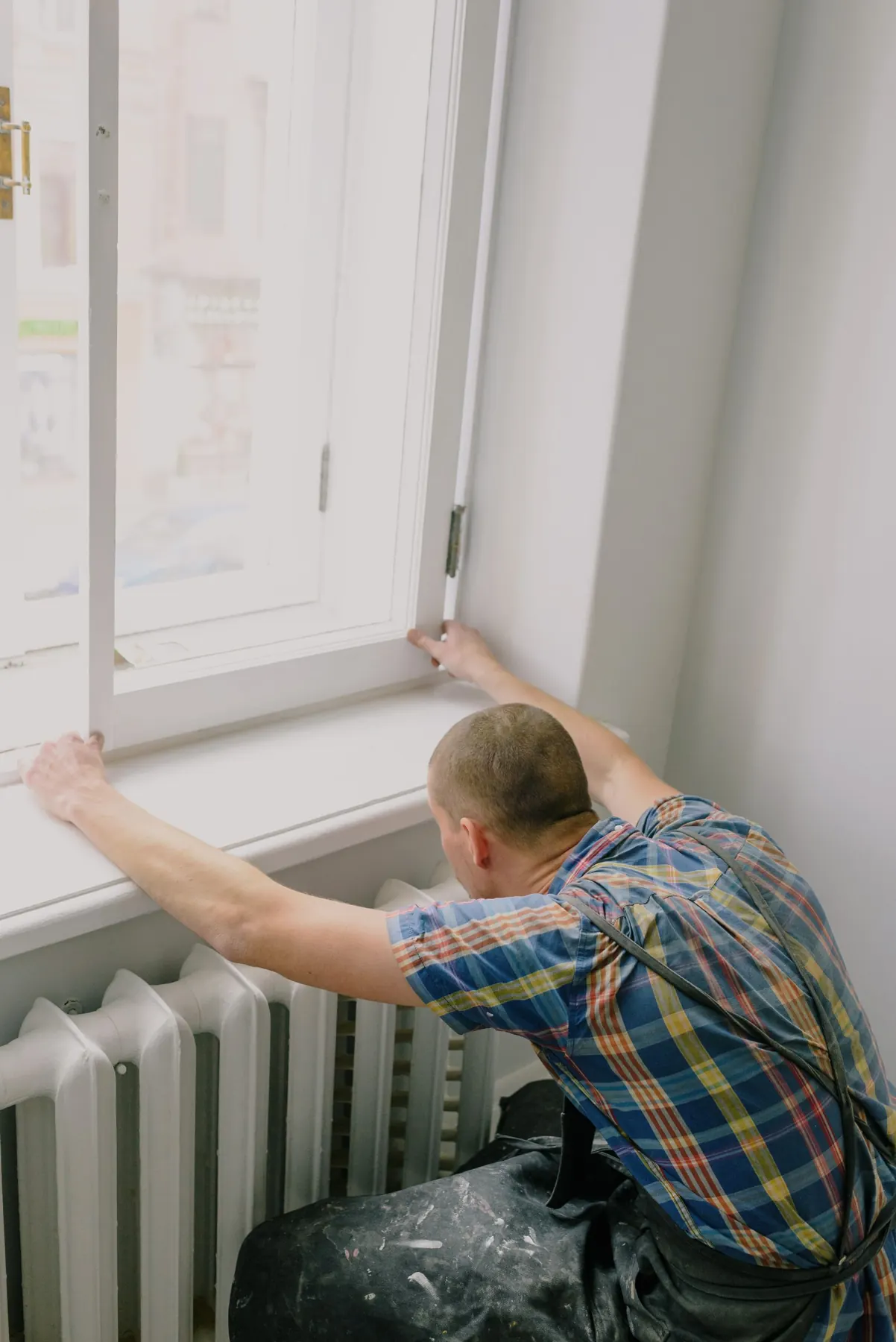
Five things happen. None of them wait.

- 01
It answers in your property's name, on the first ring.
Real-time speech, not a menu tree. It asks whether the call is about the home or about a lease, and follows the resident from there.
- 02
It takes the unit and the issue.
Which building, which unit, what is wrong, since when. It confirms the resident against your list and repeats the issue back in plain words.
- 03
It asks the one question that decides.
Is water spreading right now, or is it a drip? Is there heat? Is anyone locked out? Your emergency list, one question at a time, no guessing.
- 04
It opens the ticket where your team works.
Unit, issue, priority, the resident's own words and a callback number, in the maintenance system you already run. Emergencies page the on-call tech on the same call.
- 05
It logs the call and flags the ones that matter.
Every call is transcribed and searchable. A safety concern, a dispute, a resident in distress: those reach a person the same moment.
04 What it reads back
Unit, issue, urgency. Then the page goes out.
When the answer is a flood, the agent does not wait for morning. It reads the unit and the issue back so nothing is lost in the panic, pages the on-call tech while the resident is still on the line, and tells them what to do until help arrives.
How the platform works05 What it never does
Decisive on a flood. Careful with everything else.
A phone agent for property earns trust by what it refuses to guess at. Before your number goes live you approve the emergency list, the handover list and the things it must never answer.
- 01It never guesses whether something is an emergency. It asks, then acts.
- 02It never takes rent or a card number on the call.
- 03It never quotes a lease term, a fee or a policy it cannot see.
- 04It never pretends to be human when a resident asks.
- 05It never leaves a resident on hold.
Pages
The on-call tech, on the call.
Flooding, no heat, a lockout, gas: the page goes out while the resident is still on the line, with the unit and the issue attached.
Hands over
A person, when it should.
A lease dispute, a noise complaint about a neighbour, a resident in distress. The call reaches your office with what was already said.
Says so
An AI, when asked.
Residents care that the ticket is open and that someone is coming. When one asks, it answers honestly and keeps going.
06 Where it writes
The ticket lands where tickets already land.
Nothing new for your team. The agent reads from and writes to the systems your portfolio already runs, under the units and residents you already have on file.
Your units and residents
Which building, which unit, who lives there, so the ticket lands on the right door.
Your on-call schedule
Who is on tonight, for which buildings, and how they want to be paged.
Your maintenance tickets
Unit, issue, priority, the resident's words and a callback number.
Your pages and call log
Emergency pages with the ticket attached. Every call transcribed and searchable.
07 Languages
The resident says "Hola.""Привет.""Xin chào.""Hello."
It answers in the language the resident opens with and switches when they do. The unit, the issue and the emergency question happen in their language. The ticket is written in yours.
Hear it in your residents' languages08 The staff view
Every call, written down. The ones that matter, flagged.
Your property manager opens the morning to the night's calls the way they open the ticket queue: who called, which unit, what happened. Search any word. The emergency that was paged at 11 PM is at the top, with the tech's name on it.
09 One week to hear it
Start with one number. Hear it before you sign.
We point a number at your real units and your real on-call list and give you the line to call. Report a drip. Report a flood. Ask about a lease it should not answer. You decide after you have heard it.
- Day 1
We listen to how your resident line goes.
When calls come in, what they are for, what happens to the ones after six.
- Day 2
We point a number at your systems.
Your units, your maintenance queue, your on-call schedule. Nothing copied by hand.
- Day 3
You call it. You try to break it.
Report a flood at midnight. Report a drip. Ask in Spanish. Ask for a fee it should not invent.
- Day 5
You approve the emergency list and the handover list.
What pages a tech, what waits for morning, what it must never answer.
- Day 7
Your resident line rolls to Pulse.
After hours, at peak, or all the time. Your call. No new hardware.
10 Questions
What property managers ask on the first call.
Every answer here is true today. If it changes, the page changes.
What does an AI receptionist for property management handle?
An AI receptionist for property management answers tenant calls day and night, captures maintenance requests with the unit and the issue, opens the ticket, and pages the on-call technician when something is an emergency. Every call is logged.
How does it decide what is an emergency?
You define the list: active flooding, no heat in winter, a lockout, gas, fire. The agent asks the one question that settles it, then pages the on-call tech on the same call or opens a routine ticket. It never guesses.
Does it work with my maintenance and property system?
Pulse opens tickets in the system your team already works in, with the unit, the issue, the priority and the resident's own words. Tell us what you run and we confirm the path before the demo.
Does it take rent or card payments on the call?
No. It never takes a card number on the call. Payment happens where it already happens for you: the portal, the office, the link you already send.
Can it answer leasing questions?
It answers what is on your listings and hours, books a tour request for the morning, and hands lease terms, applications and disputes to your leasing office with the details already written.
Does it speak my residents' languages?
Yes. It answers in the language the resident opens with and switches when they do. The emergency question is asked in their language. The ticket is written in yours.
What if a resident is in distress?
The call is flagged and handed to a person the same moment, with the unit and what was said written down. For fire, gas or a medical emergency it tells the resident to call emergency services first.
How much does it cost?
Pricing is quoted per portfolio from your call volume. You hear it on your own units first, then we talk numbers.
Guides
Worth reading before you decide.
11 Start with one number
Hear it take a midnight call before you sign anything.
Tell us how your resident line goes after six. We set up a number pointed at your real units and you call it. Report a drip. Report a flood. Ask about a lease.