

Blog Veterinary
Veterinary answering service: triage first
What pet owners call about, how an answering service should triage emergencies and poisonings, handle refills, and how human and AI options compare.
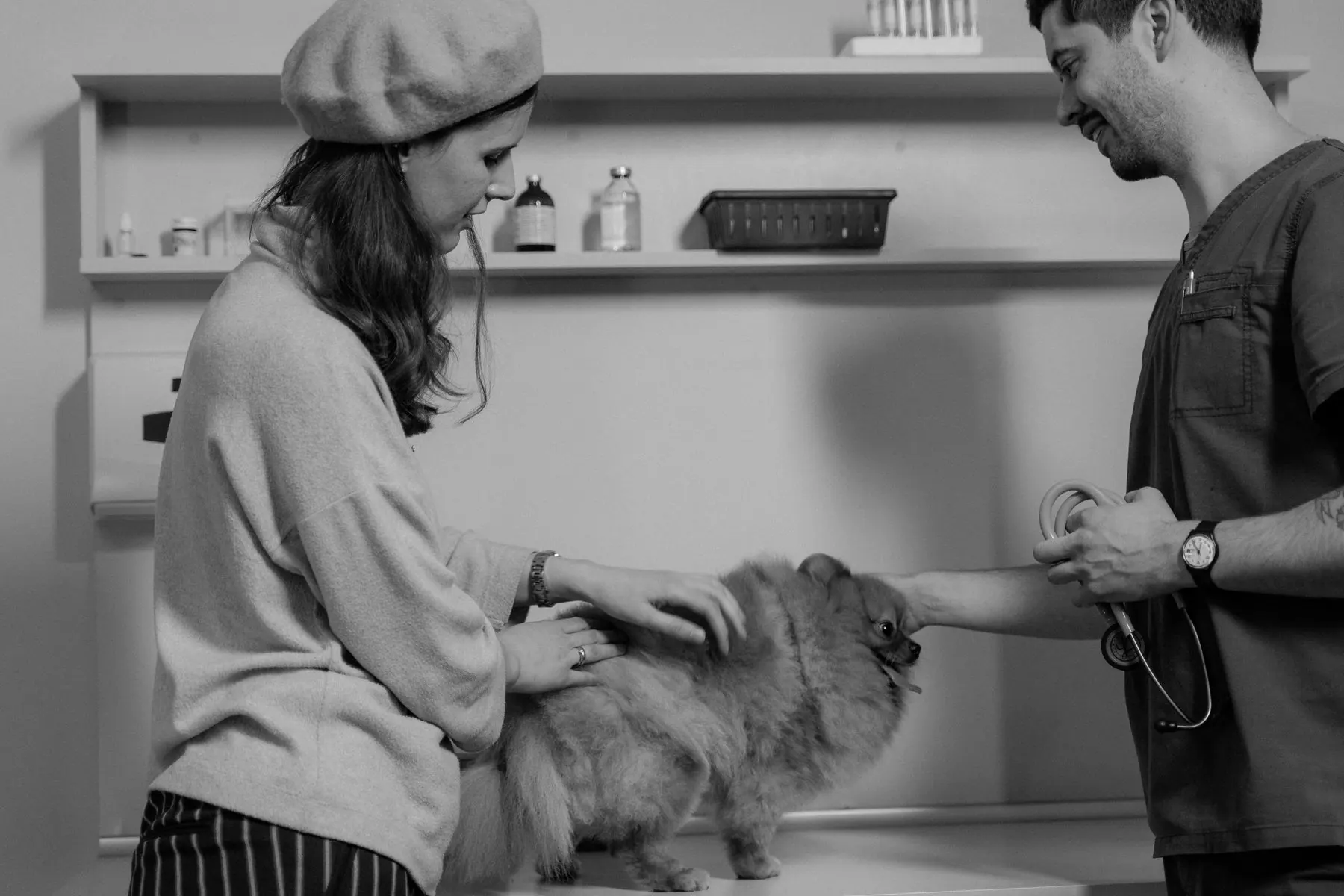
At a vet clinic, the phone rings hardest while the front desk is dealing with an anxious owner, a nervous dog and a payment at the same time. Most of those calls are routine. A few are emergencies where minutes matter. A veterinary answering service has to handle both, and tell them apart on the first call.
What pet owners call about
- Appointments. Booking a visit, moving one, or asking for the soonest opening.
- Refills. Medication and food refill requests that someone on staff has to approve.
- Routine questions. Hours, directions, what to bring, whether a pet needs to fast before a procedure.
- Worried calls. A pet that's vomiting, limping or not eating. Some can wait for an appointment and some can't.
- Emergencies. Trouble breathing, collapse, a hit by a car, or a pet that ate something toxic.
Triage comes first
The single most important thing an answering service does for a vet clinic is ask the urgency question early and act on the answer. Your clinic's own triage rules should drive this, and a good service follows them word for word.
- Life-threatening signs should go straight to a person, or to the emergency hospital you refer to after hours, with the address ready.
- Possible poisoning is time-sensitive. Many clinics give owners the ASPCA Animal Poison Control Center number, (888) 426-4435, which is staffed 24/7. The ASPCA notes a consultation fee may apply. Follow your own clinic's protocol here.
- Everything else gets the soonest suitable appointment, not a message.
A service should never tell an owner their pet is fine. It isn't qualified to, and neither is an AI.
Refills without the phone tag
Refill calls are simple but constant. A good service takes the pet's name, the owner's name, the medication and the pharmacy or pickup preference, and puts the request in front of the right staff member, so nobody has to call the owner back just to ask which medication they meant.
Human or AI?
A human answering service is good at comforting a distressed owner and handling unusual situations. It usually takes messages rather than booking into your practice management system, whether that's ezyVet, Cornerstone, AVImark or another, and it bills by the minute or the call. See what answering services cost.
An AI agent answers every call at once, books into your schedule when it can see it, asks the triage question every time without skipping it, and passes urgent cases to a person. It shouldn't be making medical judgments, and a good one doesn't try.
What to ask any provider
- Will it follow our triage rules exactly, and how quickly does an urgent call reach a person?
- After hours, does it give our emergency referral hospital's details?
- Can it book and move appointments in our practice system?
- How does it capture refill requests, and who sees them?
- Can we read every call afterwards?
How Pulse answers for vet clinics
Pulse answers in your clinic's name, asks the urgency question, puts urgent cases through to a person, offers real open appointments and writes them into your practice system. It takes refill requests to your team and never takes payment on the call. See Pulse for veterinary clinics.
Questions people ask
What does a veterinary answering service do?
It answers the clinic's calls, triages urgent cases to a person or the emergency hospital, books appointments and captures refill requests.
What number should pet owners call about poisoning?
Many clinics refer owners to the ASPCA Animal Poison Control Center at (888) 426-4435, staffed 24/7. A consultation fee may apply. Follow your clinic's own protocol.
Can an AI answer calls for a vet clinic?
Yes, for bookings, refills and routine questions, as long as it follows your triage rules and puts urgent cases straight through to a person.
Should an answering service give medical advice about pets?
No. It should follow the clinic's instructions and route anything medical to a veterinarian.
Poison control details from the ASPCA Animal Poison Control Center, checked September 29, 2026. This article is general information, not veterinary advice.