

Blog Restaurants
Restaurant phone ordering systems: how AI phone ordering works
The four ways restaurants take phone orders, what should happen on an AI order from ring to ticket, and ten questions to ask before you buy.
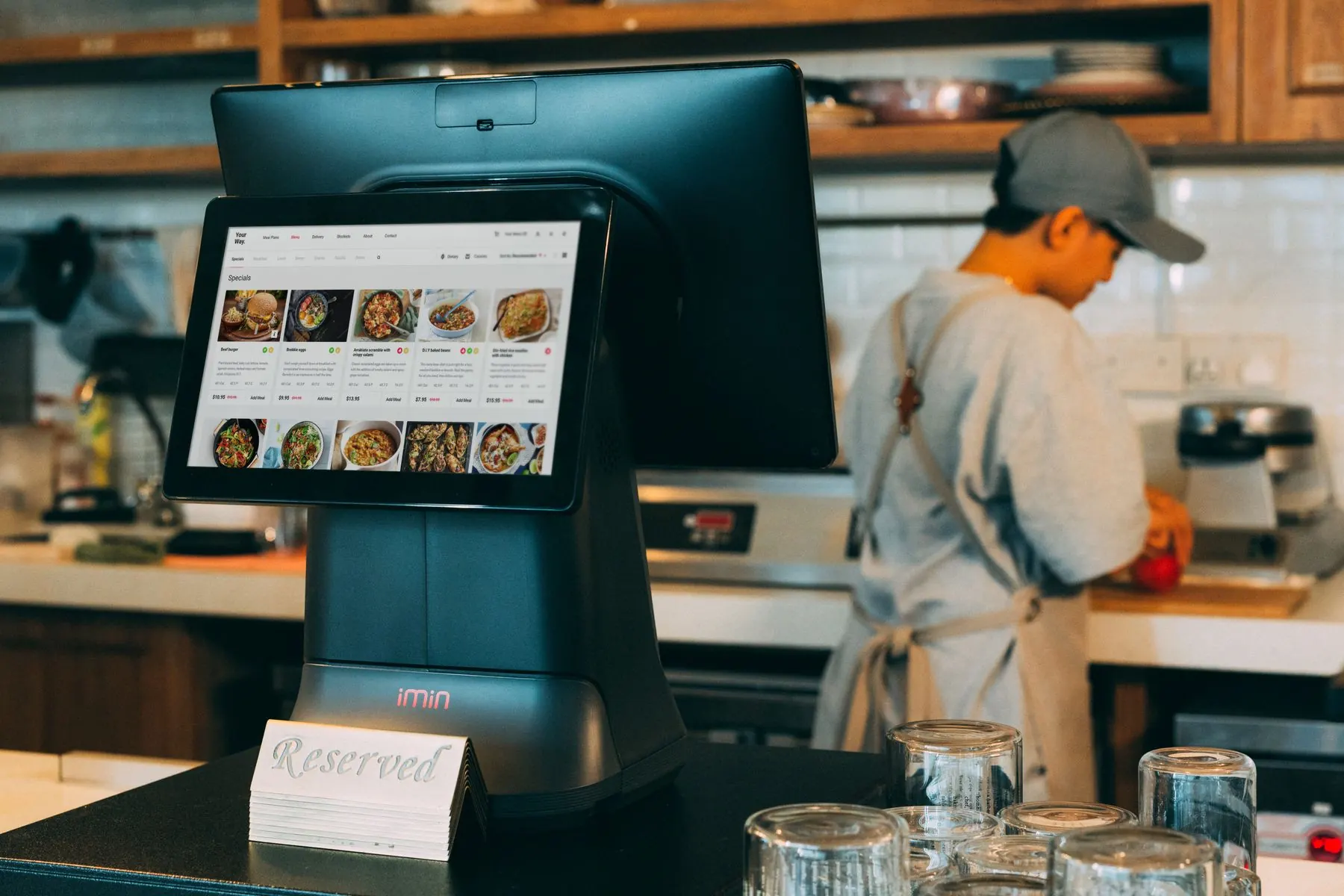
Phone orders never went away. Regulars call. Older customers call. Anyone with a big family order or a question about the menu calls. And phone orders are the ones most likely to be lost: the phone rings during the rush, nobody can reach it, and the customer calls the place down the street.
A restaurant phone ordering system is whatever takes those calls and turns them into tickets. There are four common setups, and they solve the problem in very different ways.
Four ways restaurants take phone orders
1. Staff answer the phone
The default. It works when the restaurant is quiet and breaks when it's busy, which is exactly when the phone rings most. Orders get written on paper and typed into the POS later, and every re-type is another chance for a mistake.
2. A call center or answering service
A remote person takes the order and sends it over. That adds capacity, but the person doesn't know your menu like your staff do, and most services bill per minute or per call, so your busiest nights cost the most. We compared answering service prices separately.
3. Your POS company's built-in voice ordering
Some POS companies now offer AI voice ordering inside their own platform. It's convenient if you already pay for the right plan, but it runs on the POS company's terms. Square's version, for example, requires customers to prepay through a text link and doesn't answer questions like hours or catering. We laid out the details, from Square's own documentation, in Pulse vs Square AI voice ordering.
4. An independent AI phone ordering system
A separate AI agent answers your existing number, takes the order in conversation and posts it straight into your POS. This is the category Pulse is in. Quality varies a lot, so most of this guide is about telling the good ones from the rest.
How an AI phone order actually works
Here's what should happen on one takeout call, from ring to ticket.
- The call rings on the number printed on your menus. The agent answers in your restaurant's name on the first ring.
- The caller orders in their own words: "two large pepperonis, one with extra cheese, and whatever salad you've got."
- The agent matches each item to your real POS menu, modifiers included, and asks for anything required the caller skipped, like a size or a crust.
- If something is sold out, the agent says so and offers an alternative instead of taking an order the kitchen can't make.
- Prices and the total come from your POS, not from the AI doing arithmetic.
- The agent reads the whole order back with the total and waits for a clear yes.
- The order lands in your POS as a normal ticket and prints or shows on the kitchen screen like any other order.
- The call is saved with a transcript, so a disputed order can be checked in seconds.
Ten questions to ask before you buy
- Does it read my live POS menu, or a copy? A copy goes stale the day you change a price.
- How does it handle modifiers and required choices? Ask for a demo with your most complicated item.
- Where does the total come from? The answer should be your POS, never the AI.
- What happens when an item is 86'd mid-shift? It should take effect on the very next call.
- How do customers pay? Some systems force prepayment by text. If your regulars pay at the counter, that matters. Pulse never takes card numbers on the phone. Orders are paid at pickup.
- Do I keep my phone number? It's on your menus, your window and your Google listing.
- Can it answer questions that aren't orders? Hours, parking, catering and reservations fill a lot of calls.
- Which languages does it speak? Match it to your customers, not to a feature list.
- What does it do when it's unsure? An allergy question it can't answer should go to a person, not get a guess.
- Which POS does it post to today? Not "on the roadmap." Pulse posts orders to Square and GoTab today.
What it costs, and what it recovers
Pricing for AI phone ordering runs from included in a POS plan to a separate monthly service. The more useful question is how many orders you're losing now. If you know roughly how many calls go unanswered on a busy night and what an average ticket is worth, our missed call calculator turns that into a monthly number.
Try it on a real call
The fastest way to judge any of this is to call one. Our restaurant demo line runs a real pizzeria menu at (313) 889-7436. Order something awkward, change your mind, interrupt it. When you want to hear it on your own menu, we'll set up a test number for you.
Questions people ask
What is an AI phone ordering system?
Software that answers a restaurant's phone, takes the order in natural conversation, and posts it to the POS as a normal ticket.
Can AI take phone orders for my restaurant?
Yes, if it can read your POS menu and post orders to it. Ask which POS it supports today, not which ones are planned.
Do customers have to pay over the phone?
Not with Pulse. Orders post to your POS unpaid and customers pay at pickup, the way phone orders usually work. Some POS-built voice ordering requires prepayment by text link.
Does AI phone ordering replace my staff?
It takes the calls your staff can't get to. Your team still makes the food and handles the questions that need a person.